Residual Solvents

Residual Solvent Testing for USP <467>, USP <1467> & ICH Q3C Compliance

 Quantum Analytics Group provides expert residual solvent testing for pharmaceuticals, medical devices, combination products, excipients, raw materials, and other regulated products, helping clients navigate complex analytical and regulatory challenges with confidence. From routine USP <467> and ICH Q3C compliance testing to method development, validation, investigation of unknown solvents, and difficult sample matrices, our scientists deliver accurate, defensible results using Headspace GC-FID, Headspace GC-MS, and complementary analytical techniques—providing the insight needed to support product quality, regulatory compliance, and timely decision-making. 

Why Choose Quantum Analytics Group?

Built for Regulated Industries

For more than 30 years, Quantum has supported pharmaceutical, biotechnology, medical device, and combination product manufacturers with compliance-ready analytical testing designed to meet FDA and global regulatory expectations.


More Than Routine USP <467> Testing

Many laboratories simply report analytical results. Our scientists work with you to investigate unknown peaks, resolve difficult matrices, optimize methods, and support out-of-specification investigations when standard testing is not enough.


Advanced Analytical Expertise

From Headspace GC-FID for routine quantitation to GC-MS confirmation and Ion Chromatography for challenging Class 3 solvents, we select the analytical technique best suited for your product and regulatory objectives.


Direct Access to Scientists

Work directly with experienced analytical chemists—not call centers or intermediaries. Our scientists remain involved throughout your project, helping interpret results and recommend practical solutions.


Method Development for Difficult Products

When compendial methods cannot adequately evaluate your product, we develop, optimize, verify, and validate customized analytical procedures that satisfy regulatory expectations while addressing complex sample matrices.


Compliance You Can Defend

Testing supports USP <467>, USP <1467>, ICH Q3C(R8), ICH Q2(R2), and applicable international pharmacopoeias with complete documentation suitable for quality investigations and regulatory submissions.


Analytical Methods

Residual Solvents Testing Capabilities

Quantum selects the appropriate analytical technique based on the product matrix, target solvents, regulatory objective, and required sensitivity.

 

Accreditation_Logos1

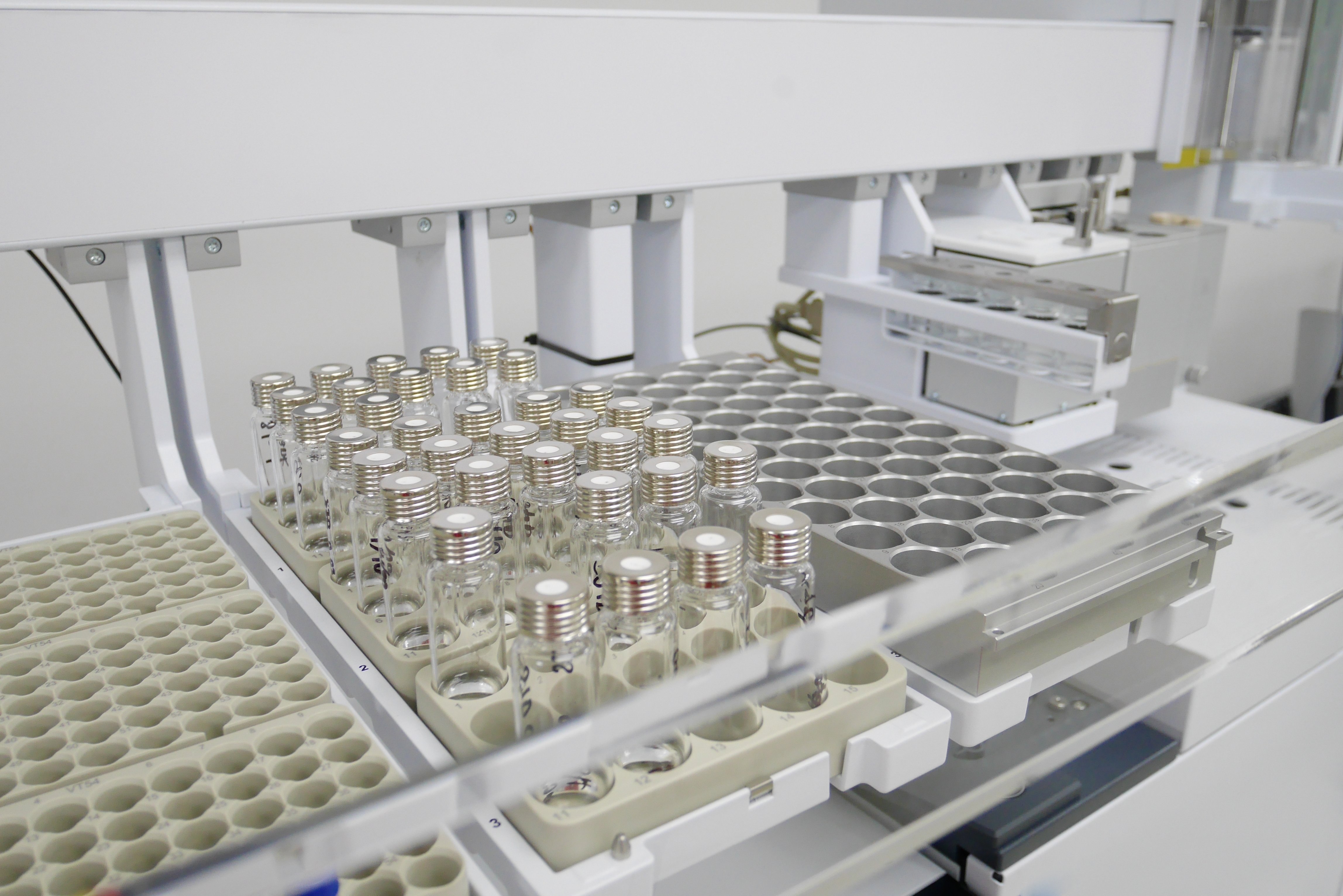
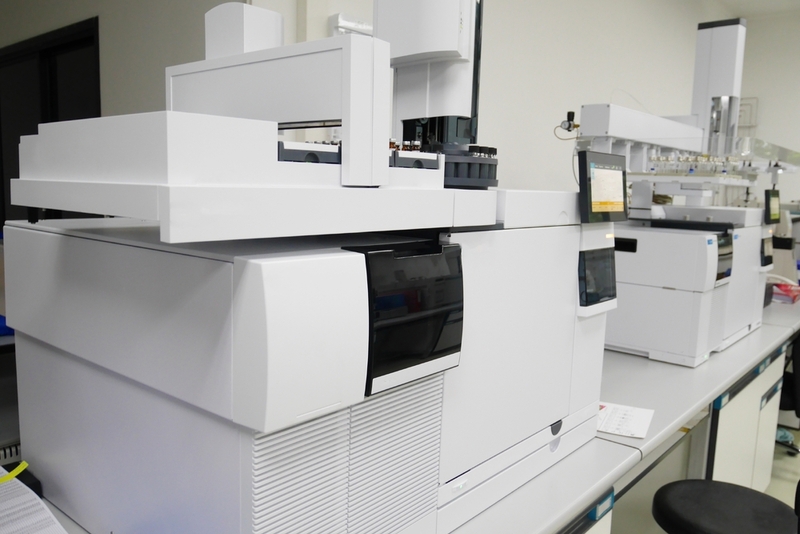
Headspace GC-FID

Primary compendial technique for routine residual solvent quantitation under USP <467>. Headspace GC-FID provides reliable sensitivity and reproducibility for release testing, raw materials, excipients, and finished products.


Headspace GC-MS

Used for confirmation and unknown peak identification when GC-FID results require deeper investigation. GC-MS is especially valuable for co-elution, unexpected peaks, OOS investigations, and manufacturing troubleshooting.


 Ion Chromatography

Supports challenging Class 3 solvents and highly polar or water-soluble compounds that may not be well suited to traditional gas chromatography. IC extends analytical flexibility for difficult products.

Regulatry Standards and Solvent Classes

Regulatory Standards

Quantum residual solvent testing programs support regulatory submissions, product release, quality investigations, and method verification requirements across regulated markets.

  • USP <467> Residual Solvents
  • USP <1467> Analytical Procedure Verification
  • ICH Q3C(R8) Impurities: Guideline for Residual Solvents
  • ICH Q2(R2) Analytical Procedure Validation
  • European Pharmacopoeia 2.4.24
  • Japanese Pharmacopoeia residual solvent expectations
  • Client-specific solvent panels and acceptance criteria
shutterstock_2608731337

USP <467> and ICH Q3C classify residual solvents by toxicological risk and permitted daily exposure.

Class 1 Solvents

Solvents that should be avoided because of unacceptable toxicity or environmental hazards.

Benzene , Carbon Tetrachloride, 1,2-Dichloroethane, 1,1-Dichloroethylene,  1,1,1-Trichloroethane

Class 2 Solvents

Solvents that should be limited because of inherent toxicity and lower permitted daily exposure. There are 14 Class 2 and 16 Class 2B solvents. Some of the common Class 2 solvent include:

Methanol, Acetonitrile, Toluene, Hexane, THF, DMF, Pyridine, Dichloromethane

Class 3 Solvents
Solvents with lower toxic potential and higher permitted daily exposure limits. Common Class 3 Solvents include:

Ethanol, Acetone, Acetic Acid, Ethyl Acetate, Isopropanol


TraceAnalysis-1-1

We're Not Just a Lab, We're a Testing Partner You Can Rely On

Built for Regulated Industries

30 years of solving complex product and compliance challenges

Real People. Real Answers.

Work directly with scientists who guide you, not just test for you.

Testing That Goes Deeper

We don’t just test — we troubleshoot, explain, and guide.

Ready to Get Results You Can Trust?

Book a consult with our team to discuss your goals, get expert input, and map out your next steps — with no pressure, just clarity.